
Tiny plants, big impact: Bryophytes’ importance for our planet and future
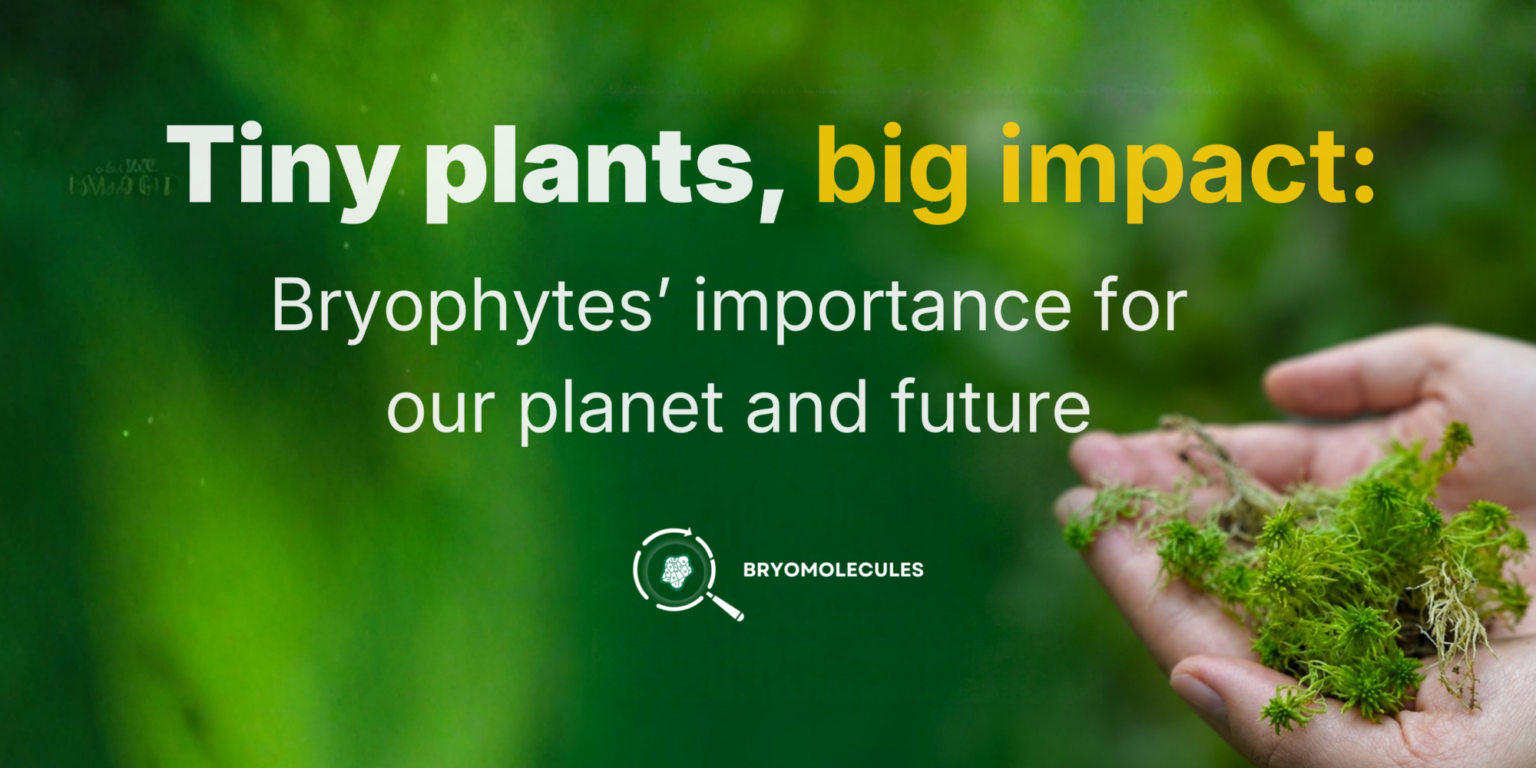
Photo credit: Ines Azaiez
Bryophytes, including mosses, liverworts and hornworts, are an important component of terrestrial ecosystems. Despite their small size, they contribute to soil development, water regulation, carbon and nutrient cycling, and biodiversity.
On World Wetlands Day, the BRYOMOLECULES project is organising an online webinar to explore bryophytes’ ecological functions and their potential for scientific and biotechnological research.
2 February 2027 | 12:00–13:00 CET
BRYOMOLECULES aims to uncover natural compounds hidden within bryophytes widely available in Europe. The initiative develops sustainable, cutting-edge approaches to harness bioactive compounds (BACs) from these small plants for applications in cosmetics and pharmaceuticals.
The webinar will cover three main topics:
- Bryophyte diversity and biology: An introduction to mosses, liverworts and hornworts, their characteristics, habitats and ecological functions.
- Ecological and environmental functions: The role of bryophytes in forest ecosystems, wetlands and peatlands, including water retention, soil formation, erosion control, carbon cycling and biodiversity support.
- From biodiversity to biotechnology: How research into European bryophytes can contribute to identifying bioactive compounds and exploring their potential applications in cosmetics and pharmaceuticals. BRYOMOLECULES research approach, from establishing sterile cultures and investigating metabolic pathways to exploring the potential applications of bryophyte-derived compounds.
The session will bring together researchers from academia and industry working on bryophyte biology, ecology and biotechnology:
- Nils Cronberg, Associate Professor, Department of Biology, Lund University
- Eliza Hayse, PhD student at Lund University
- Claudio Varotto, Researcher at Fondazione Edmund Mach and project coordinator
- Aleksander Salwinski, Head of Analytical Development at Plant Advanced Technologies (PAT)
The event is aimed at undergraduate and graduate students, early-career researchers and anyone interested in plant biology, ecology, biodiversity and biotechnology.
Join us to learn more about bryophyte research and its contribution to ecosystem understanding and sustainable innovation.
Check out related news
Science for Policy Exchange: a new project to connect researchers and policymakers across Europe
S4PXchange, a new project to strengthen connections between science and policymaking across Europe.
Connecting European Science: ESF Joins Horizon Europe Initiatives to Streamline Research Infrastructure Access
ESF is pleased to announce it is taking active role in a new coordinated effort funded under the Horizon Europe INFRADEV-05 framework.
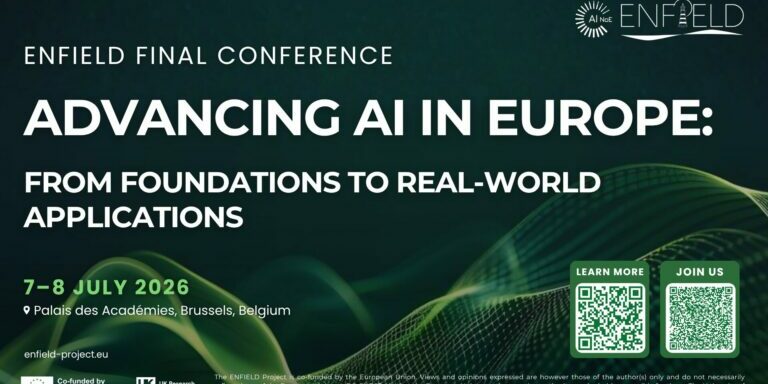
Advancing AI in Europe: From Foundations to Real-World Applications
ENFILED final conference brings together leading voices from academia, industry, and public policy to confront the most consequential challenges shaping the future of AI on the continent.
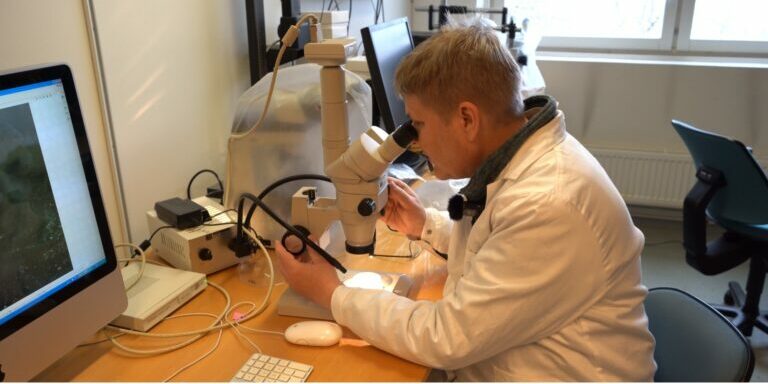
BRYOMOLECULES explores the potential of bryophytes for the cosmetic and pharmaceutical sector
The BRYOMOLECULES project is making progress in exploring bryophytes.

BlueActionAA 2026 Call for proposals
Two calls are currently open for Applications: BlueActionAA Community-Led Pilot Action Call and BlueActionAA Transition Agenda Call 1
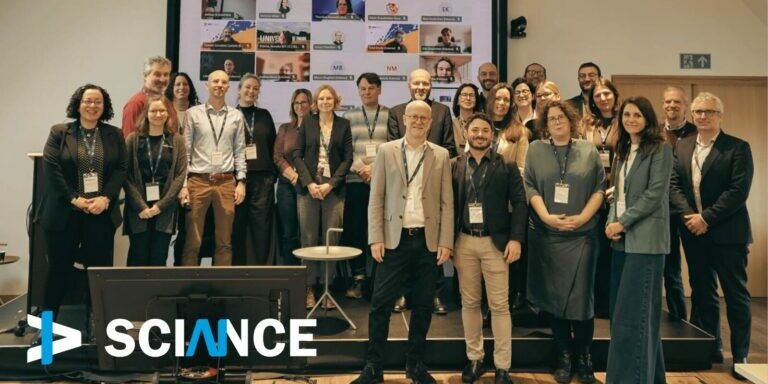
SCIANCE project kicks off: Shaping AI in Science, by Scientists, for Europe
SCIANCE project officially kicks off today in Brussels, shaping AI in Science
Discover PASSENGER’s key findings
PASSENGER Facsheets showcasing the results achieved by each pilot plant and work package.
PASSENGER project concludes: advancing Europe’s autonomy in producing permanent magnet materials
After four years of work, PASSENGER successfully concludes today
Unlocking the Potential of Bryophytes: BRYOMOLECULES documentary released
ESF is pleased to announce the release of the BRYOMOLECULES documentary.

SUPPORTER achieves key milestone in driving gender equality in sports
Eight sports higher education institutions have successfully developed, endorsed, and published their Inclusive Gender Equality Plans.
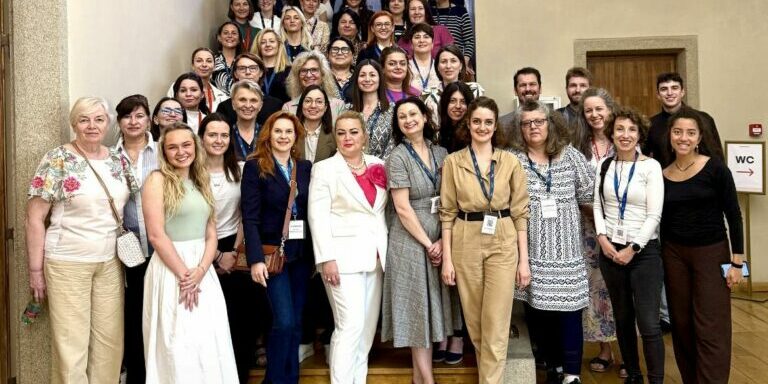
Advancing Gender Equality in Sport: Highlights from the SUPPORTER Final Conference
On 4–5 June 2025, the SUPPORTER project organised its final conference in Prague.
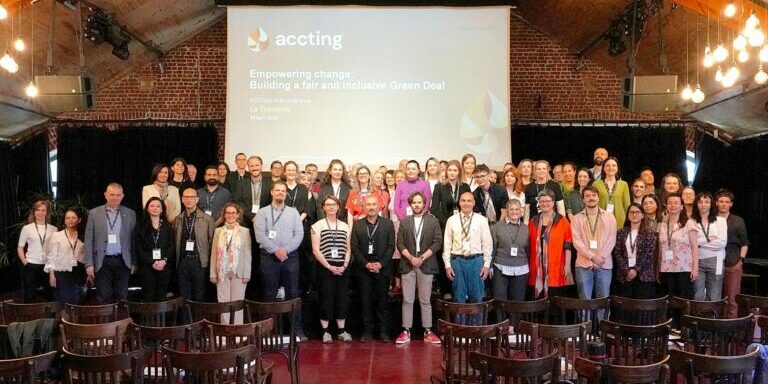
The ACCTING project comes to an end
The ACCTING project, Advancing behavioural change through the European Green Deal has concluded.