
PASSENGER project concludes: advancing Europe’s autonomy in producing permanent magnet materials
As Europe faces growing pressure to secure its clean technology supply chains, the PASSENGER project marks a major milestone toward industrial independence and sustainability. After four years of work, PASSENGER - funded by the EU’s Horizon 2020 research and innovation programme - successfully concludes today, having demonstrated that high-performance permanent magnets for strategic applications can be produced entirely without rare earth elements.
Europe currently imports almost 100% of its rare earths magnets, with recycling rates below 1%, leaving its industries and green transition exposed to geopolitical risks and volatile markets. PASSENGER offers a concrete, European-based solution: developing improved Strontium Ferrite (Sr-ferrite) and Manganese-Aluminum-Carbon (MnAlC) alloys as sustainable, rare-earth-free alternatives for permanent magnets, based on materials abundantly available in Europe.
Breakthrough Results for European Industry
Through eight pilot plants across Europe, PASSENGER has achieved multiple firsts:
- Manganese-Aluminium-Carbon (MnAlC) magnets: The consortium achieved the first-ever industrial-scale production of 158 kg of MnAlC magnetic powder in its strongest τ-phase, combining excellent remanence (>2.0 kG) and coercivity (>3.5 kOe).
- Improved Strontium Ferrite (Sr-ferrite) magnets: Over 4 tonnes of improved ferrite material were produced, maintaining high magnetic performance across temperature ranges without lanthanum or cobalt, commonly used in commercial magnets.
- Validation in real applications: The new materials were successfully integrated into water pump and e-scooter prototypes, achieving performance comparable to conventional rare-earth-based systems.
These results demonstrate the potential for a complete European value chain, from raw materials and alloy production to finished magnet components, enabling a transition from laboratory research to pre-industrial manufacturing.
Reducing environmental and social impacts
The project’s environmental assessments show that rare-earth-free magnets developed within PASSENGER could reduce CO₂ emissions by up to 80% and human toxicity impacts by 74% compared with conventional NdFeB magnets.
Health and safety analyses indicate that replacing neodymium-based magnets could significantly reduce workplace risks, with 3–12 times fewer potential worker accidents, eliminating hazardous substances such as neodymium dust and hydrochloric acid from production processes.
By using locally sourced materials and designing for recyclability, PASSENGER contributes to Europe’s circular economy and supports the objectives of the European Green Deal.
Economic and Strategic Benefits for Europe
PASSENGER demonstrates that rare-earth-free magnet production can be economically viable, with life cycle cost analyses showing lower manufacturing costs than those of rare-earth-based magnets.
By relying on raw materials from European sources, including deposits in Ukraine, Norway, Iceland, and Spain, the project contributes to reducing strategic dependencies and enhancing supply chain security.
Over its duration, the project has invested €8.8 million across 20 partners in eight European countries, reinforcing research capacity and creating the basis for new industrial and employment opportunities in sustainable manufacturing.
A European pathway for sustainable innovation
The PASSENGER consortium has shown that technological excellence, environmental responsibility, and strategic autonomy can advance together. Its integrated approach – combining materials research, industrial scale-up, life cycle assessment, and socio-economic analysis – provides a model for future European collaborations in the field of critical materials and sustainable manufacturing.
“PASSENGER has demonstrated that Europe can lead the development of rare-earth-free magnet technologies, ensuring both sustainability and industrial competitiveness,” said Rodolfo Miranda, the project coordinator, from IMDEA. “Our results show that Europe’s green and digital transitions can be supported by solutions fully developed and produced within Europe.”
About PASSENGER
PASSENGER (Pilot Action for Securing a Sustainable European Next Generation of Efficient RE-free magnets) is funded by the European Union’s Horizon 2020 Research and Innovation Programme under grant agreement no. 101003914. The project brings together leading research institutions and industry partners to develop and scale rare-earth-free permanent magnets for electric mobility, wind energy, and other strategic applications.
More information and scientific publications are available at:
🌐 https://passenger-project.eu
Contact
Check out related news
Science for Policy Exchange: a new project to connect researchers and policymakers across Europe
S4PXchange, a new project to strengthen connections between science and policymaking across Europe.
Connecting European Science: ESF Joins Horizon Europe Initiatives to Streamline Research Infrastructure Access
ESF is pleased to announce it is taking active role in a new coordinated effort funded under the Horizon Europe INFRADEV-05 framework.
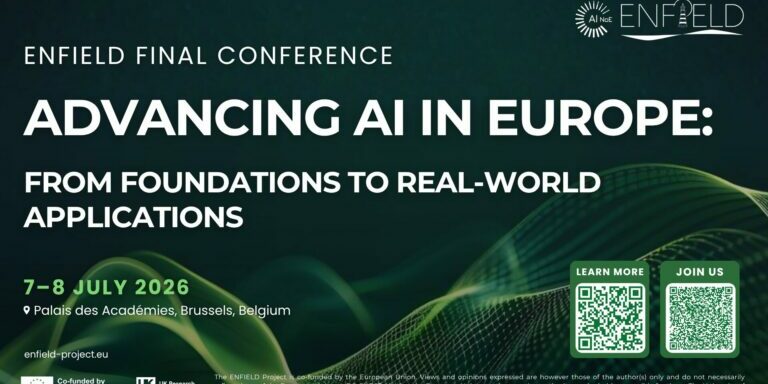
Advancing AI in Europe: From Foundations to Real-World Applications
ENFILED final conference brings together leading voices from academia, industry, and public policy to confront the most consequential challenges shaping the future of AI on the continent.
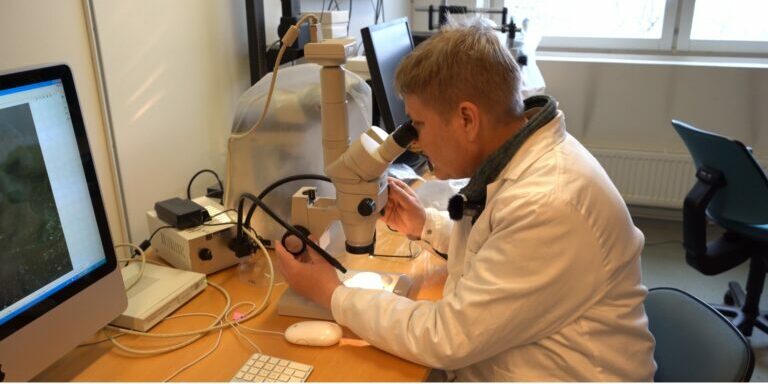
BRYOMOLECULES explores the potential of bryophytes for the cosmetic and pharmaceutical sector
The BRYOMOLECULES project is making progress in exploring bryophytes.

BlueActionAA 2026 Call for proposals
Two calls are currently open for Applications: BlueActionAA Community-Led Pilot Action Call and BlueActionAA Transition Agenda Call 1
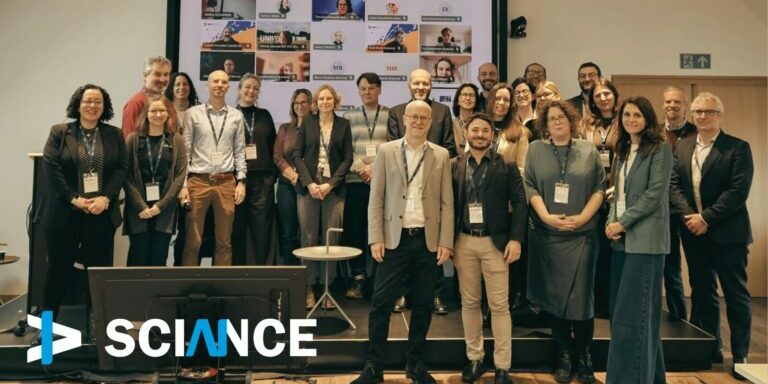
SCIANCE project kicks off: Shaping AI in Science, by Scientists, for Europe
SCIANCE project officially kicks off today in Brussels, shaping AI in Science
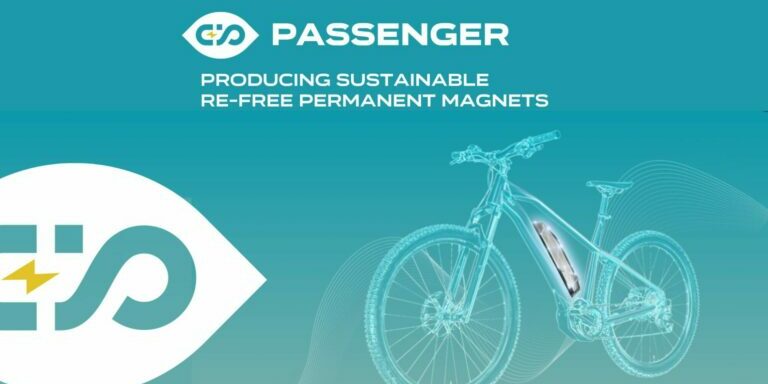
Discover PASSENGER’s key findings
PASSENGER Facsheets showcasing the results achieved by each pilot plant and work package.
Unlocking the Potential of Bryophytes: BRYOMOLECULES documentary released
ESF is pleased to announce the release of the BRYOMOLECULES documentary.

SUPPORTER achieves key milestone in driving gender equality in sports
Eight sports higher education institutions have successfully developed, endorsed, and published their Inclusive Gender Equality Plans.
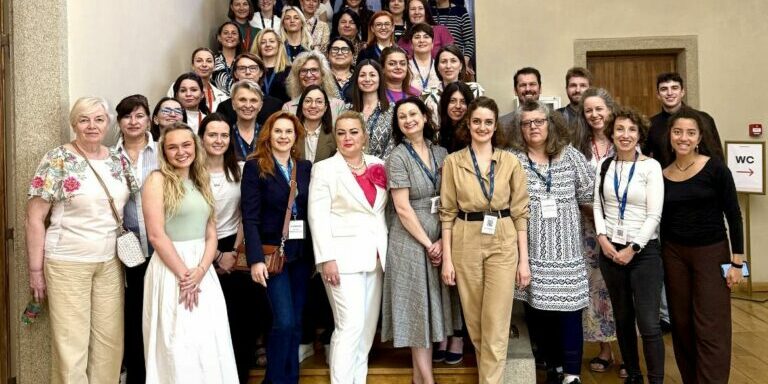
Advancing Gender Equality in Sport: Highlights from the SUPPORTER Final Conference
On 4–5 June 2025, the SUPPORTER project organised its final conference in Prague.
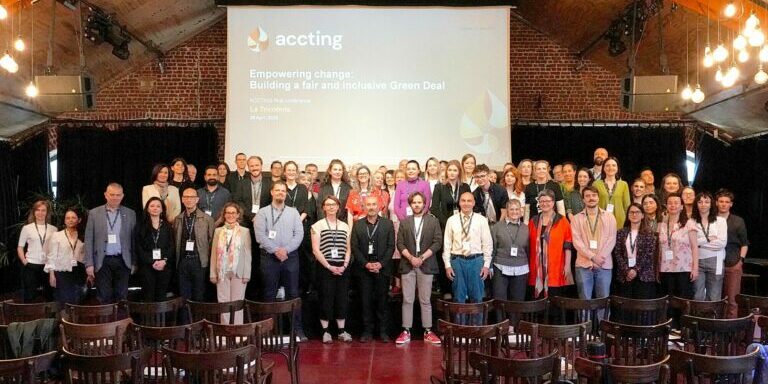
The ACCTING project comes to an end
The ACCTING project, Advancing behavioural change through the European Green Deal has concluded.

YOU-DARE kicks off
New Horizon-funded project starting! YOU-DARE tackles gender narratives in far-right youth movements